A refrigerator control board dies after a quick flicker. Your router reboots for no reason. The new HVAC thermostat suddenly goes blank. These are the kinds of “mystery” failures we see after electrical surges – and they do not always come from lightning. In the Inland Empire, everyday utility switching, neighborhood transformer issues, and motor-driven equipment cycling on and off can create spikes that slowly wear down the electronics you rely on.
Whole house surge protector installation is one of the most practical upgrades you can make because it protects the entire electrical system at the panel – not just the handful of devices you remembered to plug into a power strip.
What a whole house surge protector actually does
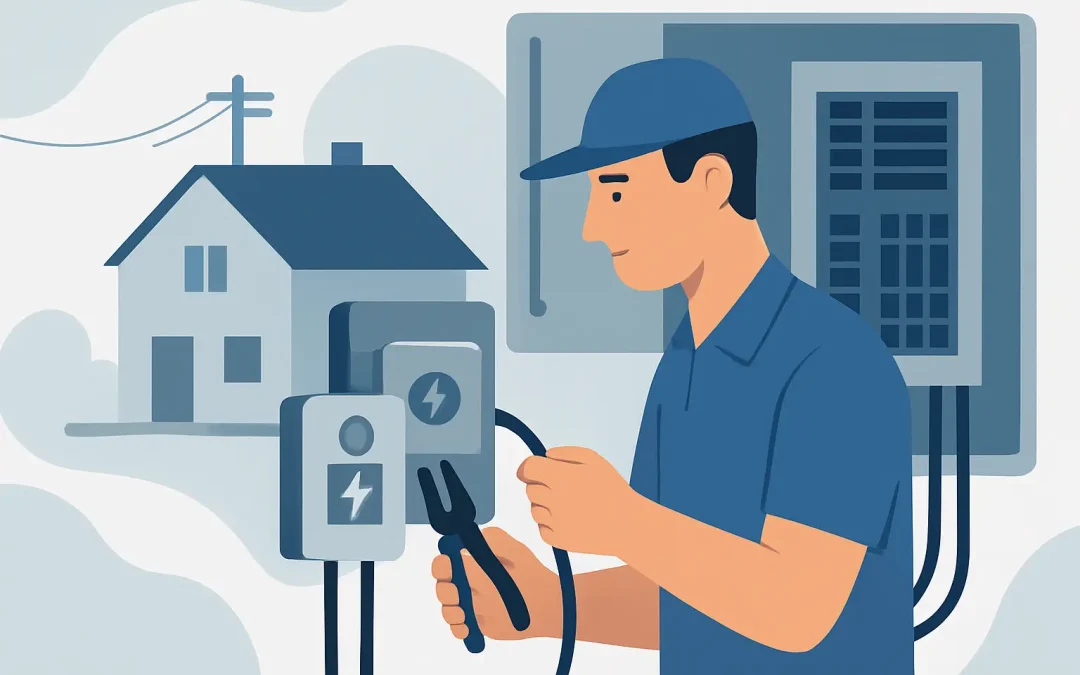
A whole-house surge protector (also called a surge protective device, or SPD) is installed at or next to your main electrical panel. When a voltage spike comes in on the power line, the SPD diverts excess energy away from your home’s circuits by routing it to the grounding system.
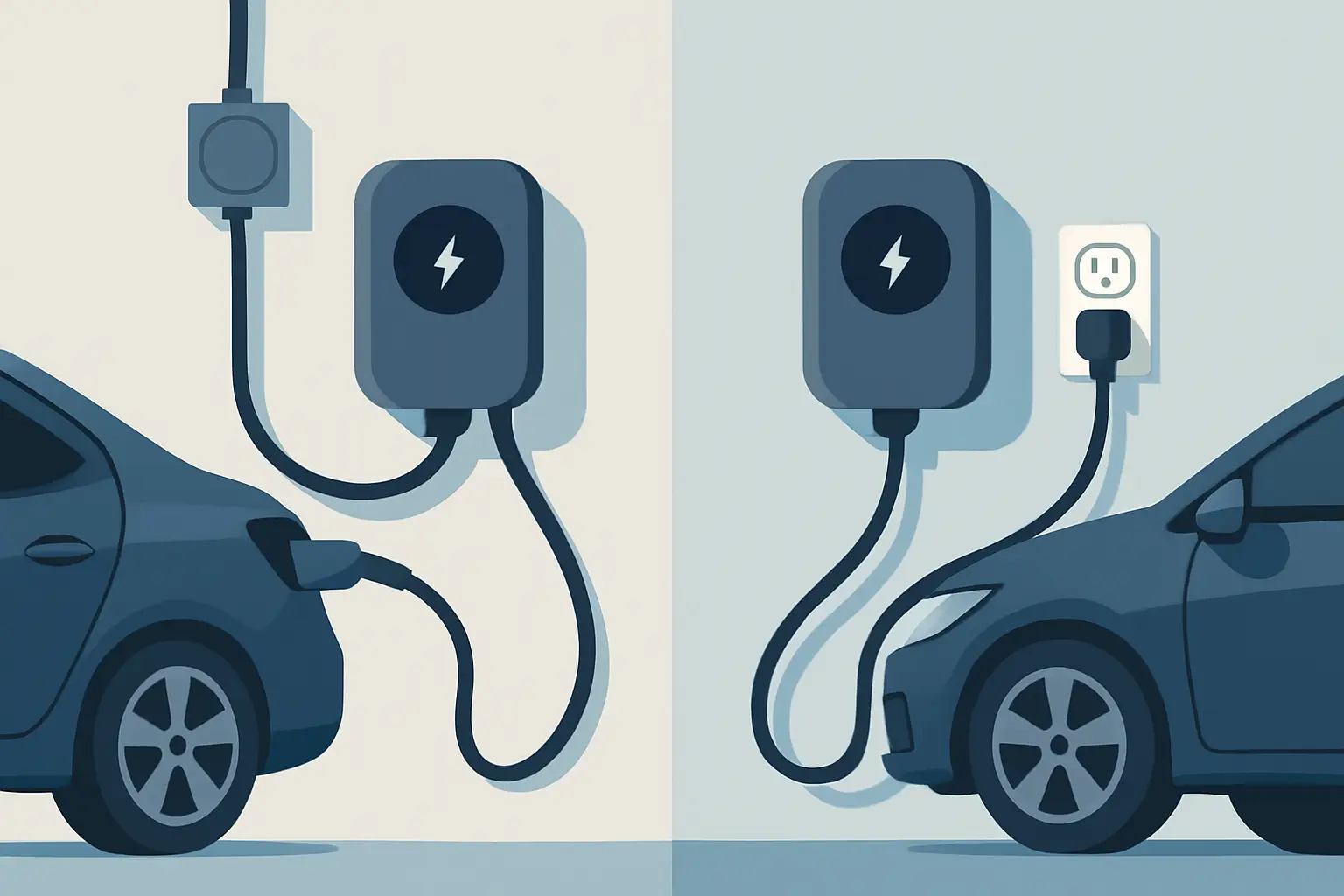
This matters because modern homes are full of sensitive electronics: appliance boards, variable-speed HVAC equipment, tankless water heaters, garage door openers, LED drivers, smart home hubs, and EV chargers. Many of these can be damaged by repeated “small” surges that never trip a breaker.
A key point: an SPD does not “store” power or smooth out low voltage. If you have lights dimming when the AC starts, or flickering that points to loose connections, a surge protector is not the fix. That is a troubleshooting and safety issue that should be addressed directly.
What it protects – and what it can’t
Installed correctly, an SPD helps reduce surge energy that reaches branch circuits. That means fewer random resets and better protection for hardwired equipment and outlets throughout the home.
It cannot stop a direct lightning strike from causing damage. Nothing truly can. What it does do is dramatically improve your odds against the most common events: utility-related surges and internally generated spikes from motors and compressors.
It also does not replace point-of-use surge strips. If you have high-value electronics (home office gear, entertainment systems, gaming PCs), you still benefit from quality plug-in protectors at those locations. Think of the whole-house unit as the first line of defense and point-of-use devices as the second.
Types of surge protectors and what “Type 1” and “Type 2” mean
Most residential jobs fall into Type 2 SPDs, which are installed on the load side of the service disconnect – typically inside the main panel or in a dedicated spot right next to it. Type 1 devices can be installed on the line side in some configurations, but that usually depends on equipment and local requirements.
For homeowners, the bigger takeaway is that not all SPDs are the same. Ratings and installation approach matter because surge protection is only as good as the path it uses to divert energy.
Key ratings that affect real-world performance
You will see a lot of marketing terms on surge protectors. The specs that tend to matter most in the field are:
- Surge current rating (kA): This indicates how much surge current the device can handle. Higher is generally better, but it needs to be matched to the installation and the panel.
- Voltage protection rating (VPR): This is the “let-through” voltage under test conditions. Lower can mean better protection, but comparisons need to be apples-to-apples.
- Mode of protection: Good devices protect line-to-neutral, line-to-ground, and neutral-to-ground as appropriate for the system.
If you are comparing options, focus on reputable manufacturers, clear listings, and correct application for your service type (most homes are single-phase 120/240V).
Where it gets installed – and why location matters
Most whole-house units mount in one of three ways:
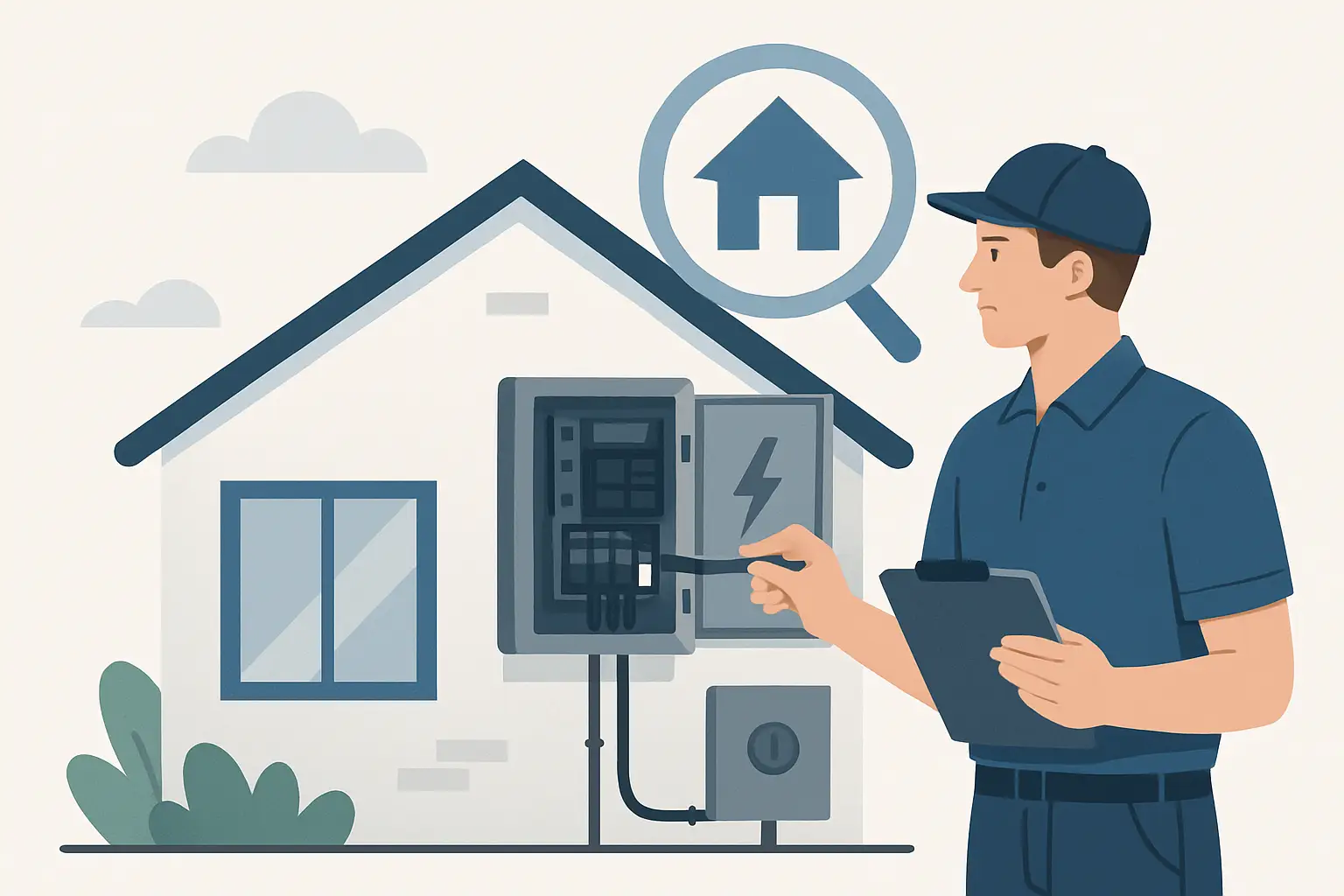
Inside the main panel as a breaker-style SPD, on the exterior of the panel with a short conduit nipple, or at a subpanel if that is where critical loads are fed.
The length of the wiring between the SPD and the bus bars matters more than most people realize. Long leads add impedance, which can reduce how effectively the device clamps a fast surge. In plain terms, “close and clean” is better: short conductors, proper terminations, and a solid grounding and bonding system.
If your grounding is outdated or compromised – loose ground electrode conductor, corroded connections, missing bonding, or an older setup that does not meet current standards – it can limit the surge protector’s performance. This is one reason we treat surge protection as part of overall electrical safety, not a gadget you bolt on.
What the installation process looks like (and what to expect)
A professional whole house surge protector installation usually includes more than attaching a device and flipping the breaker back on. A typical service call looks like this:
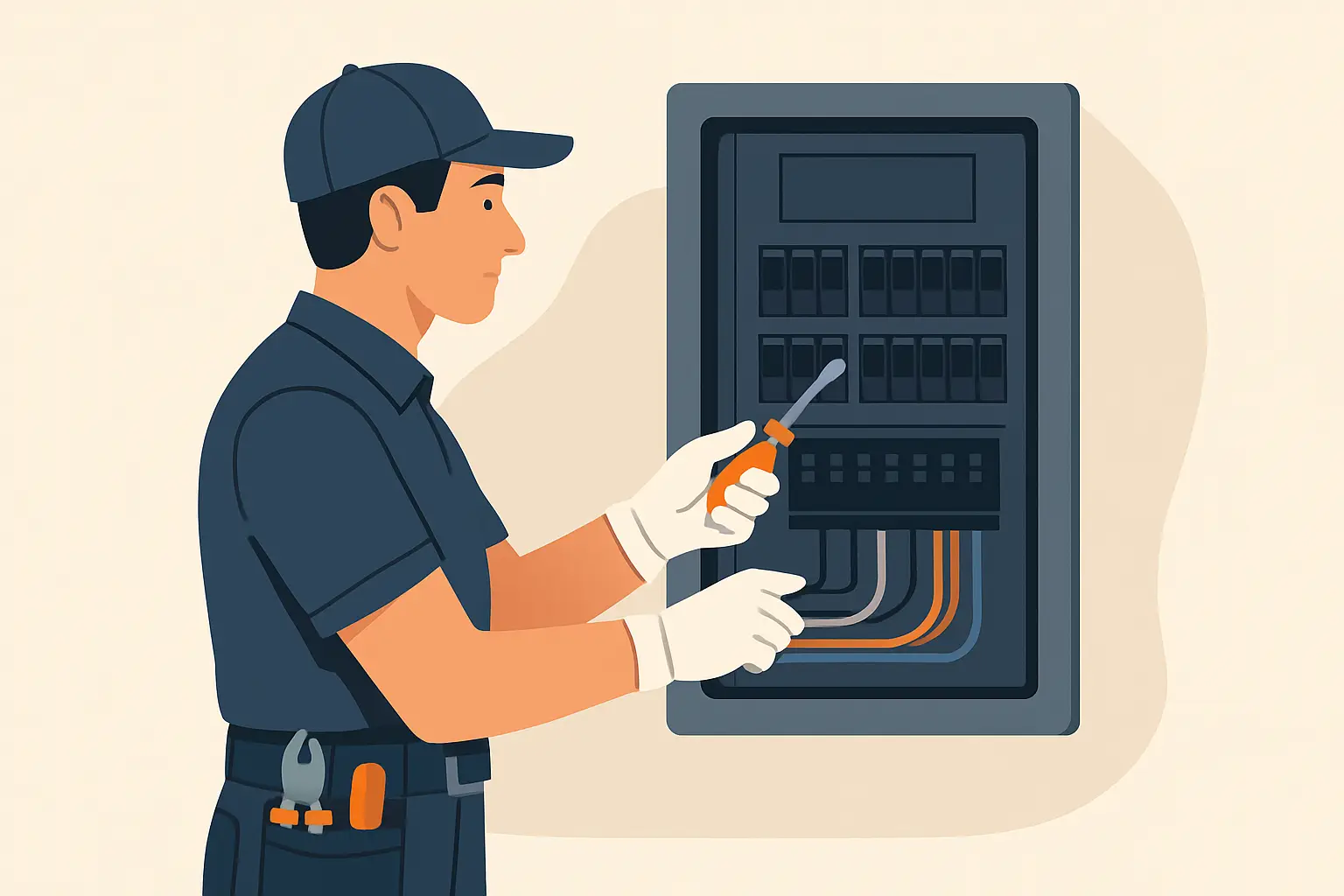
First, power is safely shut down and the panel is inspected. We are checking for available breaker space, panel condition, conductor integrity, signs of overheating, and whether the panel is an appropriate candidate for an SPD.
Next comes device selection and placement. Some SPDs require a dedicated 2-pole breaker, while others land on lugs depending on the configuration and manufacturer instructions. The goal is to keep conductor runs short, route wiring cleanly, and follow listing and code requirements.
Then we verify grounding and bonding. That can include checking the grounding electrode conductor, bonding jumper(s), and connections to ground rods or metallic water piping where applicable.
Finally, we restore power, test operation, and walk you through what the indicator lights mean. Many units have status lights that show protection is active. If those lights go out, the device may have taken a significant hit and needs replacement.
“Do I really need this if I already use surge strips?”
If you only use point-of-use strips, you are protecting a few devices, and only when they are plugged into the right strip. Your dishwasher, range hood, furnace board, garage door opener, and smoke alarm transformer are still exposed.
A whole-house unit also reduces the surge energy that reaches outlets in the first place, which helps your plug-in protectors last longer and perform better. The combination is what many homeowners choose when they want a practical level of coverage without treating every outlet like a special project.
Cost, value, and the trade-offs that matter
Pricing depends on the device, your panel setup, and how much work is needed to install it correctly. The trade-off is straightforward: a quality SPD and correct installation cost far less than replacing one major appliance control board – and far less than chasing intermittent failures across multiple devices.
That said, it depends on the condition of your electrical system. If your panel is overcrowded, outdated, or showing signs of damage, you may be better served by addressing the panel first. Surge protection is a smart add-on during a panel upgrade because the system is already being opened, evaluated, and brought up to modern standards.
When surge protection is especially worth it in the Inland Empire
Some situations raise the priority quickly:
If you have an older home with a newer mix of electronics, you have a mismatch between what the system was designed for and what you are running now.
If you work from home, a surge that takes out networking gear or a computer power supply is more than an inconvenience.
If you have variable-speed HVAC equipment, a tankless water heater, or an EV charger, you have higher-value electronics connected to your electrical system every day.
If you have noticed frequent flickers or brief outages, you may be experiencing utility events. That does not automatically mean your home wiring is failing, but it is a strong reason to add protection while also having the system checked for safety.
Common questions homeowners ask before booking
Will it stop my breakers from tripping?
No. Breakers trip from overloads, short circuits, or ground faults. An SPD is for short-duration voltage spikes. If breakers are tripping, that is a separate diagnostic and safety issue.
Does it protect solar or an EV charger?
It can help protect circuits that feed those systems, but solar and EV setups sometimes benefit from additional protection at specific equipment locations. The right approach depends on your configuration, where equipment is located, and manufacturer requirements.
How long does a whole-house surge protector last?
It depends on how many surges it absorbs and how severe they are. Many devices last for years, but a significant event can shorten that lifespan. Indicator lights help, but they are not a substitute for periodic electrical checks.
Why “installed right” matters as much as the device
Surge protection is one of those upgrades where details quietly make the difference. A high-rated SPD with long, looping conductors and weak grounding will underperform. A properly selected device installed close to the bus with clean terminations and verified grounding can provide meaningful protection day after day.
If you are considering whole house surge protector installation in Rancho Cucamonga or the broader Inland Empire, the safest next step is to have your panel and grounding evaluated so the protection system is built on solid fundamentals. If you want fast scheduling and clear answers, Potter Electric Company Inc. can walk you through options that match your panel, your load, and how you use your home or business.
A good electrical upgrade should feel boring after it is done – no drama, no surprises, just a safer system you do not have to think about every time the lights blink.