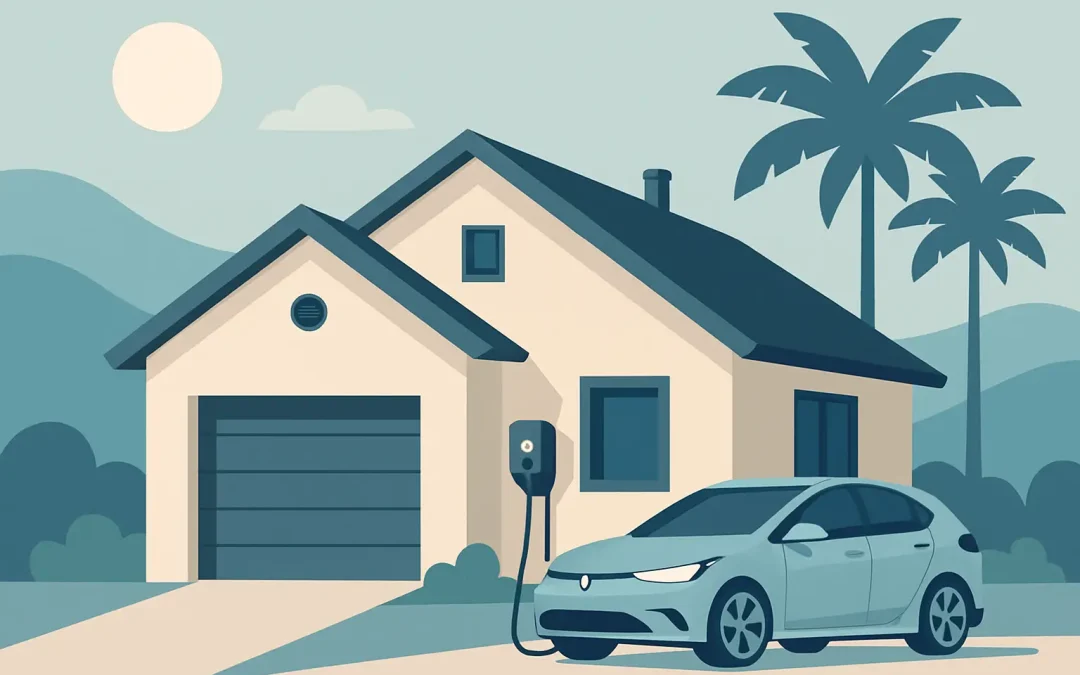
If you have an EV on order, the smartest time to think about charging is before you unbox the charger. The most common delay we see in the Inland Empire is not the equipment – it’s the electrical readiness. A Level 2 charger can turn an ordinary garage outlet into a dependable overnight fueling station, but only if your home or facility meets the right electrical and code conditions.
Below is a clear, safety-first look at ev charger installation requirements, what tends to vary from property to property, and how to avoid the surprises that slow projects down or create long-term reliability issues.
What “requirements” really means for an EV charger install
When homeowners ask about requirements, they often mean, “What charger should I buy?” That’s only a small part of the picture. The real requirements are a combination of electrical capacity, correct wiring and overcurrent protection, code-compliant placement, and permitting/inspection.
There’s also a practical requirement: the system has to work with your daily life. A technically correct install that trips breakers, blocks parking, or can’t reach the charge port is not a win.
Level 1 vs. Level 2: why most requirements start here
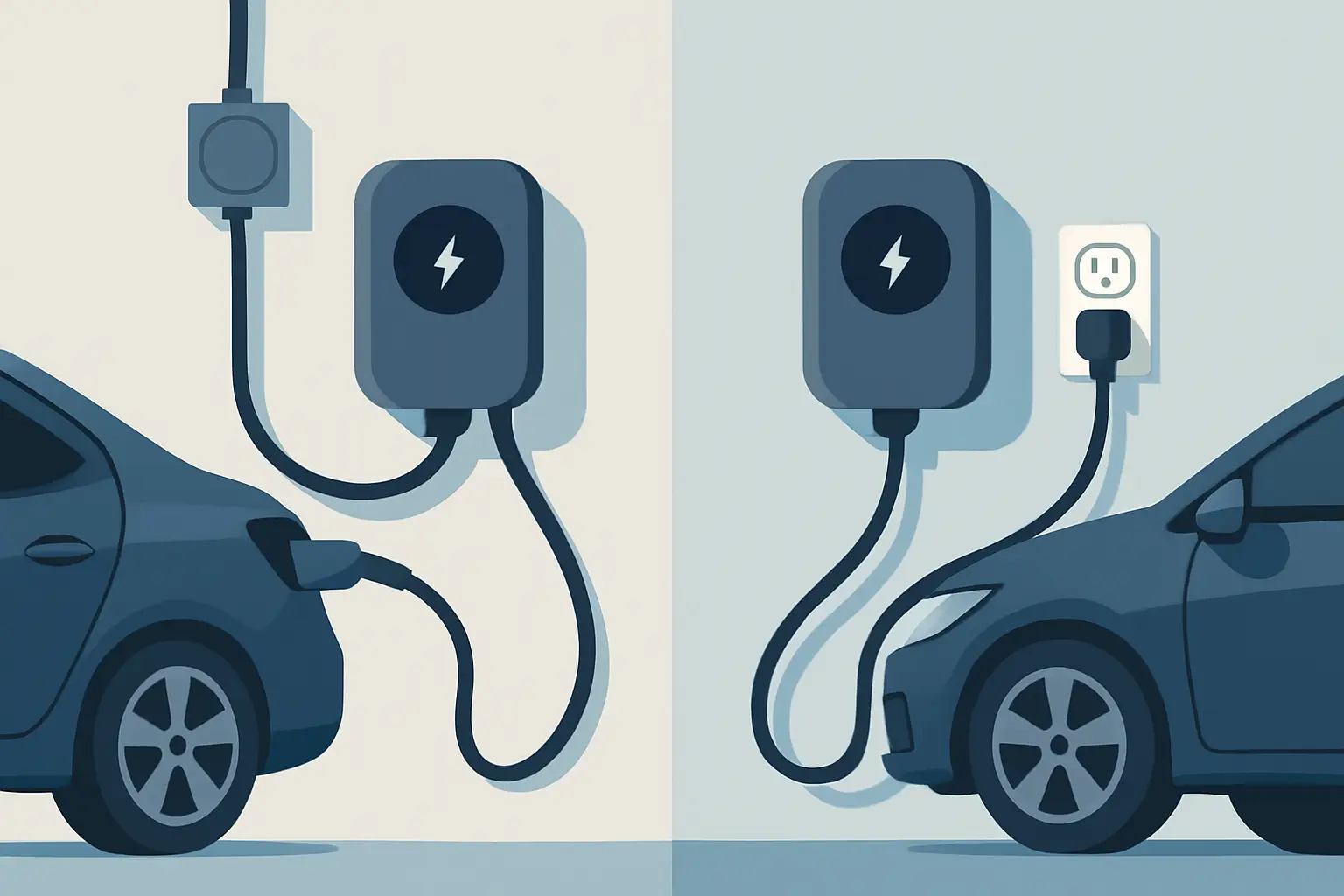
Level 1 charging uses a standard 120V receptacle. It can be fine for low daily mileage, but it’s slow and it puts long-hour demand on a circuit that may already be serving other loads in a garage.
Level 2 charging typically uses 240V and a dedicated circuit. That’s where requirements get more specific because the charger is treated like a significant appliance load. Many Level 2 setups draw 32A to 48A, and some go higher depending on the EV and the charging station.
The takeaway is simple: the moment you move to Level 2, your electrical system – not the charger box – becomes the deciding factor.
Core EV charger installation requirements (the non-negotiables)
Most successful installs come down to getting four essentials right: capacity, a dedicated circuit, correct hardware, and code-compliant workmanship.
1) Electrical panel capacity and load calculation
Your service panel has to be able to support the added continuous load. EV charging is typically considered a continuous load, meaning it can run for three hours or more. That matters because electrical code requires circuit sizing and protective devices to account for continuous demand.
In real terms, a 40A charger may require a 50A circuit, and a 48A charger often requires a 60A circuit. Whether your panel can support that depends on your service size (commonly 100A, 150A, or 200A), your existing major loads (HVAC, electric dryer, oven/range, pool equipment), and how the home is actually used.
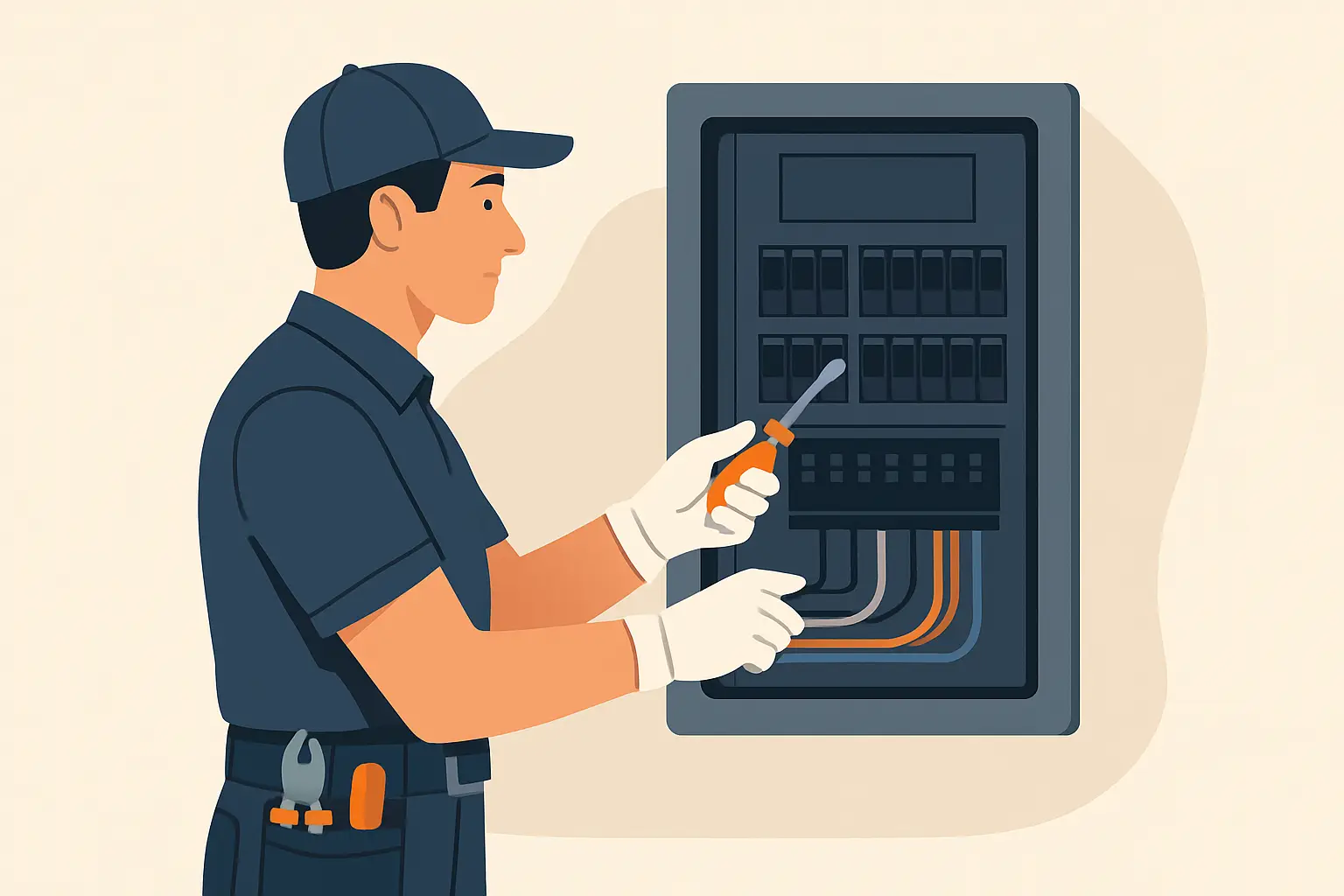
Some properties have plenty of available capacity and the install is straightforward. Others need a panel upgrade, a panel replacement due to age/condition, or a load management approach. “It depends” here is not a dodge – it’s the safety line between a charger that works for years and one that creates nuisance trips or overheated components.
2) A dedicated circuit with correct breaker sizing
A Level 2 charger should be on a dedicated circuit in almost every case. Sharing a circuit with a freezer, tools, or garage outlets is a common cause of tripping and overheated wiring.
Breaker size is not chosen by guessing or matching what a neighbor used. It must match the charger’s requirements and the wire size, and it must comply with continuous-load rules. If the charger is adjustable, that setting has to match the circuit as installed – otherwise you can end up with a charger capable of drawing more than the circuit is designed to safely provide.
3) Proper wire type, gauge, and routing
Wire size (gauge) depends on the circuit amperage, the installation method, and the distance from the panel. Long runs can require upsizing conductors to reduce voltage drop, especially when charging for hours at a time.
Routing matters too. In garages, wiring often runs through walls and attics, or in surface-mounted conduit where required. Outdoors, conductors and raceways must be rated for the environment and protected from physical damage. A clean-looking install is good, but a protected, correctly supported install is what keeps the system safe.
4) Correct placement, working clearances, and physical protection
Where the charger goes is partly convenience and partly code. You need working clearances at the panel and safe access at the charger. The unit and cable should not create a trip hazard or be positioned where a vehicle can easily hit it.
If a charger is installed in a location that’s exposed to impact, protection like bollards may be appropriate in commercial settings, and thoughtful placement is critical in residential garages with tight parking.
Permit and inspection: the requirement that protects you
In most jurisdictions, installing a new 240V circuit for EV charging requires a permit and inspection. That process is not just red tape – it creates a documented, verified safety check.
Permits matter for resale and insurance questions, and they also catch the kinds of mistakes that don’t show up until a charger has been pulling high current for months. If a contractor recommends skipping permits to “save time,” that’s a sign to slow down and ask why.
Hardwired vs. plug-in: which one fits your situation?
Many Level 2 chargers can be hardwired or plugged into a dedicated 240V receptacle (commonly a NEMA 14-50 or 6-50, depending on the unit).
Hardwired installs are often the most durable and theft-resistant, and they can support higher amperage configurations. Plug-in installs can be convenient if you may relocate the charger, but the receptacle must be correctly installed on a dedicated circuit, and the device must be rated for the continuous duty it will see.
The right choice depends on your charging needs, the charger model, and where it’s installed. It also depends on how “future-proof” you want the setup to be.
GFCI, surge protection, and other safety details people miss
Modern electrical code has expanded GFCI requirements in many areas, and EV charging equipment can complicate that depending on whether protection is built into the charger or required at the breaker. This is one of those details where following manufacturer instructions and local code interpretation is essential.
Surge protection is another smart consideration, especially with expensive vehicles and sensitive onboard chargers. A whole-home surge protector at the panel can help protect not just the EV charger, but other electronics throughout the property.
What changes for condos, apartments, and commercial sites
Single-family homes are usually the most straightforward, but multi-unit and commercial installations come with additional requirements.
In condos and apartments, the electrical service may be shared, metering may be complex, and approvals from an HOA or property manager are often required. Cable routing can also be more challenging when the panel is not near the parking area.
For commercial properties, the big issues are capacity planning, minimizing downtime, and making sure the installation supports future expansion. Even if you’re only installing one or two chargers now, conduit sizing, panel space, and load planning can prevent a costly redo later.
Planning for the future without overspending today
A charger install can be designed for today’s vehicle and tomorrow’s needs. That does not always mean installing the highest-amperage charger possible. Sometimes the smarter move is to install a right-sized circuit and leave room in the panel for expansion, or to select a charger that can be set to a safe amperage now and adjusted later after a panel upgrade.
If you expect a second EV, it’s worth discussing load sharing solutions or planning for a second dedicated circuit. The cheapest install is not always the least expensive over time.
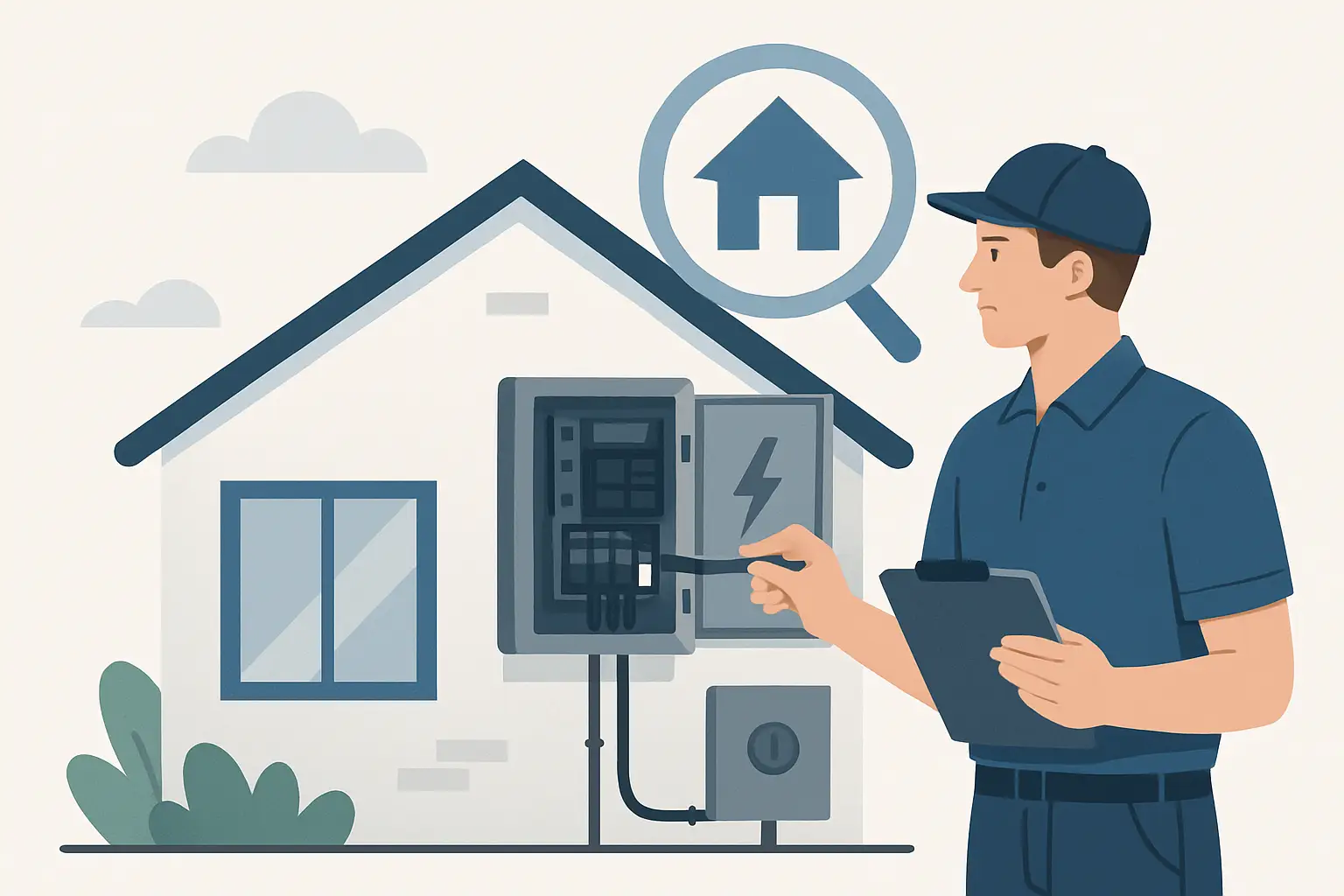
A simple way to know if your home is “EV ready”
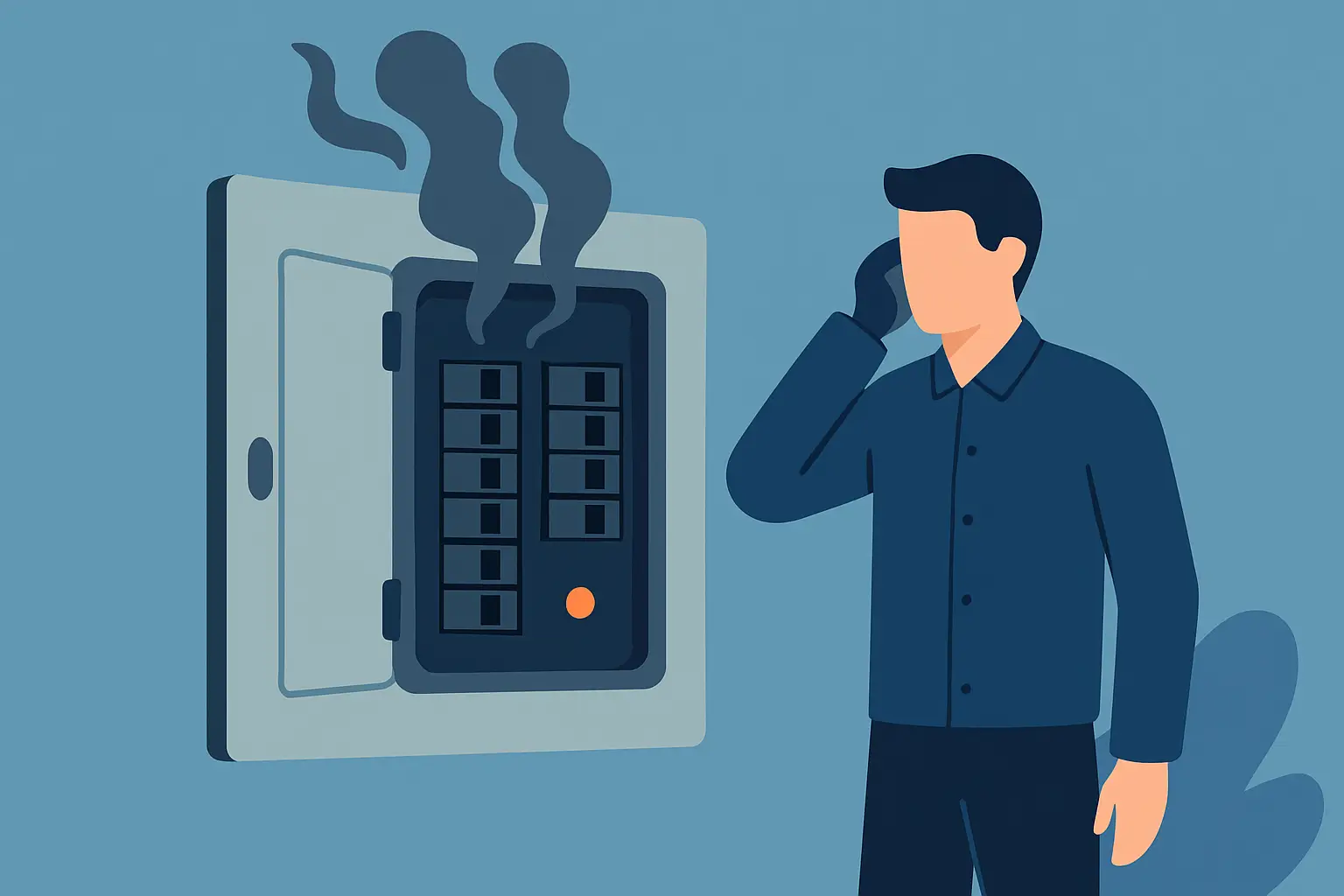
If your panel is older, already full, or you’ve noticed signs like warm breakers, frequent trips, dimming lights when appliances start, or a history of DIY electrical changes, those are reasons to get a professional assessment before buying equipment.
Even newer homes can have limitations if major loads were added later, like a spa, pool equipment, or an electric dryer conversion. The goal is a charger that runs at full output without stressing the rest of the system.
Getting it done safely in Rancho Cucamonga and the Inland Empire
A code-compliant EV charger installation should feel boring when it’s finished: no tripping, no hot smells, no flickering lights, and no uncertainty about what’s behind the wall. That comes from correct load calculations, clean wiring practices, proper protection, and a permitted inspection path.
If you want a local, licensed team that prioritizes safety, clear explanations, and dependable scheduling, Potter Electric Company Inc. can help – you can book service or request a quote at https://Potterelectricinc.com.
Choosing an EV is a forward-looking decision. Your charger setup should feel the same way: simple to use, built to last, and safe enough that you never have to think about it again once it’s installed.