You can move desks and servers in a weekend. Power is different.
When a business changes suites, expands a production area, or reworks a warehouse floor, the electrical system has to follow – safely, legally, and without turning the first week in the new space into a troubleshooting marathon. That is what commercial electrical relocation services are for: transferring, reconfiguring, and recommissioning your electrical infrastructure so your operations can restart with confidence.
What “electrical relocation” really means in a commercial space
In commercial buildings, “relocation” usually is not a simple unplug-and-go. It can involve moving circuits, panels, feeders, lighting controls, and dedicated equipment connections to match a new layout or a new address.
Sometimes it’s a full business move: you are leaving one building and taking critical equipment with you. Other times the address stays the same but the function changes – a tenant improvement, a new production line, converting offices into exam rooms, or adding racking and forklifts that change how lighting and power need to work.
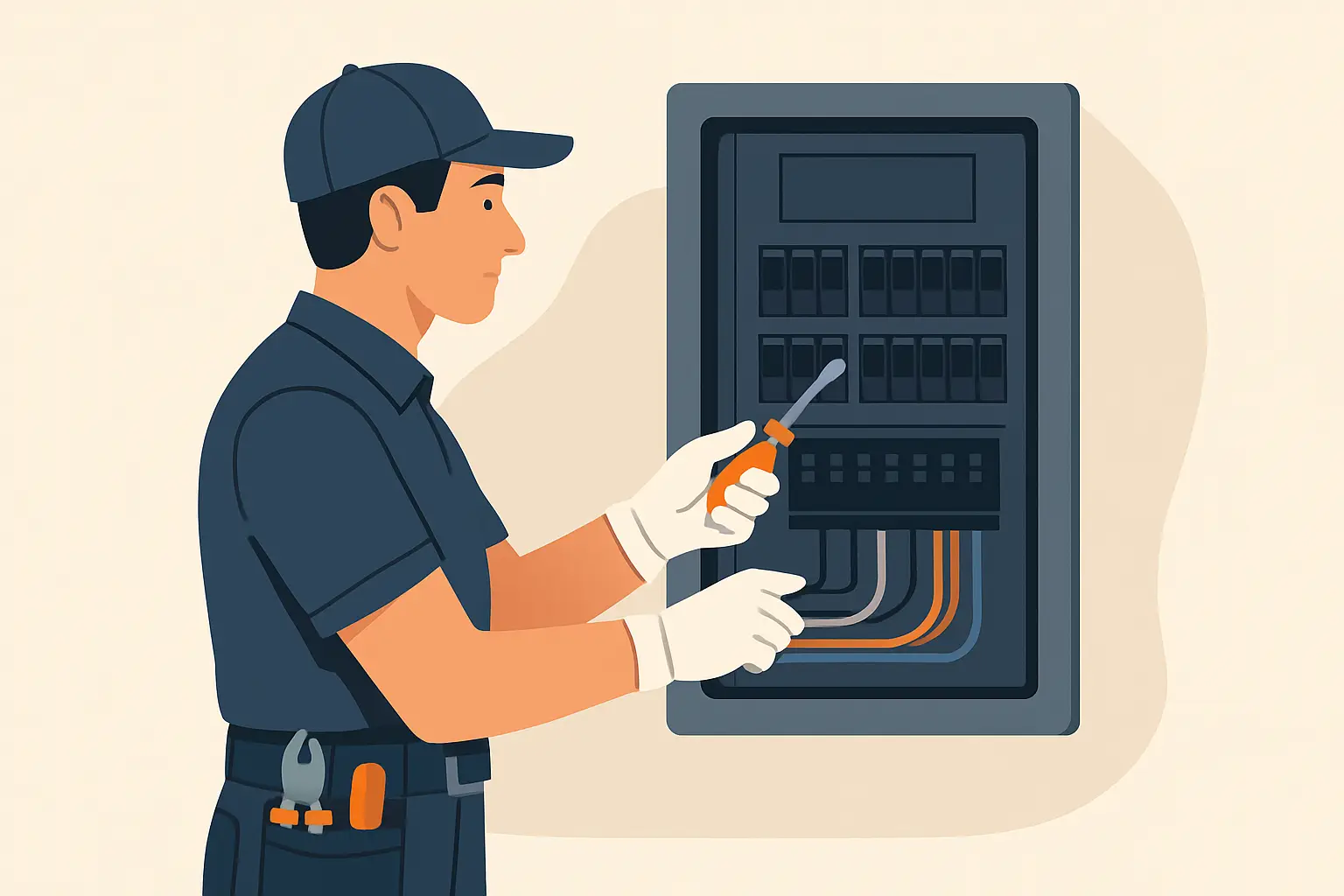
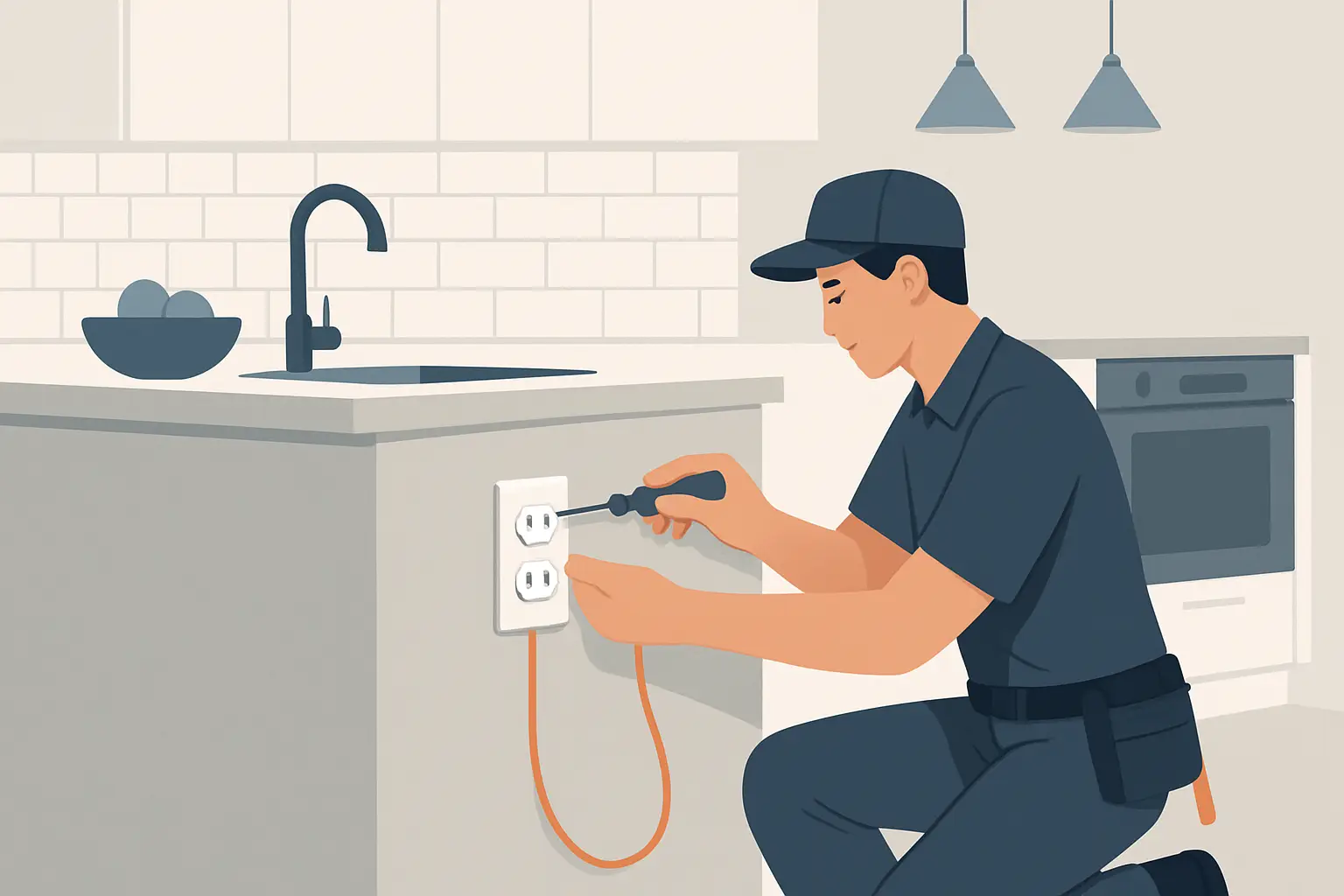
Relocation work often includes disconnecting and re-terminating equipment, adding or shifting receptacles, moving or extending conduit runs, updating lighting layouts, and ensuring the panel schedule and labeling still make sense. It also includes the part many teams overlook: verifying the available electrical service can handle the new load profile.
Why commercial electrical relocation services affect downtime more than any other trade
Electrical work sits underneath everything else. If power is late, inspection fails, or a cutover goes wrong, the rest of the move stalls.
The biggest schedule killers are usually predictable:
Permits and inspections that were not planned early enough, unclear scope between landlord and tenant, missing load data for equipment, and “temporary” power solutions that become permanent problems. A commercial electrician’s job is not only to install – it is to plan a cutover that keeps people working, protects equipment, and passes inspection the first time.
There is also a safety reality in commercial spaces: higher fault current, more complex distribution, multiple panels, and equipment that draws heavy loads. A rushed relocation can create loose terminations, overloaded circuits, nuisance tripping, or worse.
The relocation process that keeps projects predictable
Every site is different, but successful relocations tend to follow the same disciplined flow.
1) Pre-move evaluation: what you have, what you need, what will change
A proper walk-through starts with your floor plan and your equipment list. That includes computers and printers, but also anything with a motor or heating element: HVAC components, air compressors, welders, ovens, battery chargers, lifts, server racks, and specialty machinery.
From there, the electrician checks service size, panel capacity, and the condition of the existing gear. If the building has older panels, undersized feeders, or a history of tripping breakers, relocation is the right time to address it. Moving into a new suite with an electrical system that is already at its limit is an expensive way to start.
2) Engineering the layout: circuits, lighting, controls, and dedicated power
Your new layout drives everything. Offices usually need more receptacles than people expect, especially in conference rooms and shared work areas. Warehouses need power where work actually happens – charging stations, packing benches, dock doors, and mezzanines.
Lighting is another common pivot point. Many moves are a chance to switch to LED lighting or improve fixture placement for better visibility and lower bills. In commercial spaces, lighting controls and occupancy sensors may be required or simply make sense for cost control.
Dedicated circuits matter most for IT and specialized equipment. If you have servers, POS systems, security systems, or sensitive electronics, you want stable power, correct grounding, and clear separation from high-draw equipment. This is also where surge protection planning comes in. Relocation is a perfect time to add whole-panel surge protection rather than relying on plug-in strips.
3) Permits and inspection planning: the part that protects your timeline
Commercial electrical work typically requires permits and inspections. That is not paperwork for paperwork’s sake. It is the checkpoint that ensures your new wiring methods, panel work, and safety devices meet code.
The key is sequencing. If you wait to pull permits until the week you want power on, you are gambling with your move date. A contractor that manages permitting early and schedules inspections as milestones keeps everyone else on the project moving.
4) The cutover plan: temporary power vs. after-hours shutdown
The cutover is when the lights go out – intentionally – so the system can be tied in, tested, and brought back online.
Depending on your operation, you might choose an after-hours shutdown, a phased cutover by area, or temporary power for critical loads. This is where “it depends” matters. A small office might tolerate a planned outage. A warehouse shipping operation or a medical office may need tighter continuity planning.
A good cutover plan defines who is impacted, what is staying live, who has the authority to approve re-energizing, and what testing is completed before equipment is turned back on.
5) Commissioning and labeling: the move is not done when the breakers turn on
Commissioning is the verification step: testing circuits under load, confirming GFCI and AFCI protection where required, validating lighting controls, and ensuring dedicated equipment starts correctly.
Labeling is not cosmetic. Clear panel schedules and circuit IDs save you time every time you add equipment, troubleshoot, or hand the building to a facilities team. It also reduces the risk of shutting down the wrong circuit during future maintenance.
Common relocation scenarios (and what they usually require)
A few patterns show up repeatedly in Inland Empire commercial spaces.
For office moves, the biggest needs are adding outlets to match workstation density, cleaning up extension-cord habits, and updating lighting for comfort and productivity. Conference rooms frequently need dedicated circuits for displays and AV equipment, plus clean cable pathways.
For warehouses and light industrial spaces, it is usually about distribution: getting power to the right walls, columns, and work cells, adding circuits for chargers and tools, and improving high-bay lighting for safety. If forklifts or equipment chargers are part of your operation, their load and location should be planned early.
For tenant improvements, the scope often involves relocating lighting, adding new circuits, and tying in equipment while coordinating with a landlord’s existing panels and electrical rooms. That coordination matters. Knowing what is tenant-owned vs. base-building is one of the fastest ways to avoid delays.
When relocation should include upgrades, not just “moving things over”
Relocation is a moment when you already have ceiling access, open walls, and a planned shutdown. That makes certain upgrades more cost-effective than doing them later.
Panel upgrades or replacements are the big one. If your new load increases or your panel is out of space, forcing it will lead to double-handling and patchwork fixes.
LED lighting upgrades are another. Better light levels and lower maintenance are practical benefits, especially in warehouses where changing lamps is disruptive.
EV charging is becoming a frequent request for commercial lots and fleets. If your business is adding EVs or wants to offer charging to employees, planning conduit runs and electrical capacity during a relocation avoids tearing into finished areas later.
Surge protection and grounding improvements also fit naturally here, particularly for offices with expensive electronics or facilities with sensitive controls.
Choosing a contractor: what to ask before you sign
Commercial electrical relocation services live or die by communication. You want an electrician who explains the plan in plain terms, identifies risks early, and keeps the jobsite clean and controlled.
Ask how they handle permitting and inspections, what their cutover process looks like, and how they coordinate with other trades. Also ask how they will document changes: updated panel schedules, circuit labeling, and as-built notes when needed.
Finally, ask how downtime is protected. The right answer is not “we’ll do it fast.” It is a specific plan: phasing, after-hours work if required, and testing steps that reduce the chance of reopening day surprises.
If your business is relocating in Rancho Cucamonga or the Inland Empire and you want a safety-first plan with clear scheduling, Potter Electric Company Inc. can help you scope the work, coordinate the cutover, and keep your new space powered the right way.
What it costs – and what affects price the most
Commercial relocation pricing depends on access and complexity more than square footage.
Open ceilings and accessible conduit routes lower labor time. Finished ceilings, tight electrical rooms, and after-hours requirements can increase it. The number of new circuits, the need for dedicated equipment feeds, service upgrades, and the condition of existing panels all play major roles.
There is also a trade-off between speed and cost. Accelerated schedules, night work, and weekend cutovers can protect revenue by reducing downtime, but they may raise labor costs. The goal is not the cheapest bid. It is the most predictable outcome with the least business interruption.
How to prepare as a business owner or facility manager
Your electrician can move faster when you provide clear inputs. A current floor plan, a list of equipment with nameplate ratings or spec sheets, and a description of your operating hours helps shape the cutover. If you have recurring electrical issues today – flickering lights, warm receptacles, tripping breakers – mention them upfront so they do not follow you into the new space.
Also decide what “day one” must include. Maybe it is phones and internet, maybe it is one production line, maybe it is the whole facility. Defining that minimum viable operation helps your contractor phase the work intelligently.
A move is already a heavy lift. The best electrical relocation work feels almost boring when it is done right: the lights are bright, the panels are labeled, the equipment starts, and your team gets back to work without thinking about the power at all.