You walk through a house that feels perfect – the neighborhood, the layout, the backyard. Then you notice a few “small” things: a two-prong outlet in the living room, a breaker panel that looks older than the kitchen, and lights that flicker when the HVAC kicks on. None of those are deal-breakers by themselves. But they are signals. And when you’re buying a home, electrical problems are the kind that can be expensive, disruptive, and sometimes genuinely dangerous.
An electrical inspection for home purchase is how you turn those signals into clear answers. It’s not about finding reasons to back out. It’s about knowing what you’re taking on, what needs to be fixed immediately, what can be planned, and what should be negotiated before you close.
Why an electrical inspection for home purchase is worth it
A standard home inspection is a great starting point, but it’s usually broad by design. Many home inspectors will test a sample of outlets, scan the main panel visually, and flag obvious hazards. They typically do not open every junction box, verify proper circuit sizing throughout the home, test grounding integrity in detail, or evaluate load calculations for modern usage.
That gap matters because electrical systems fail in ways that aren’t always visible during a short walkthrough. Overheated connections can sit quietly for years. Improperly sized breakers can “work” until the day they don’t. DIY additions can look clean on the surface while hiding splices in walls or overloaded circuits.
For buyers, the big value is predictability. If you’re budgeting for new flooring and paint, you should also know whether you’re inheriting a panel replacement, a rewiring project, or a few straightforward safety upgrades.
What a buyer-focused electrical inspection actually looks at
A purchase inspection isn’t just “is it working.” It’s “is it safe, code-aligned for its context, and appropriate for the loads you’ll put on it.” The scope can vary depending on the home’s age, size, and visible conditions, but these are the core areas that usually matter most.
The main service panel and breaker health
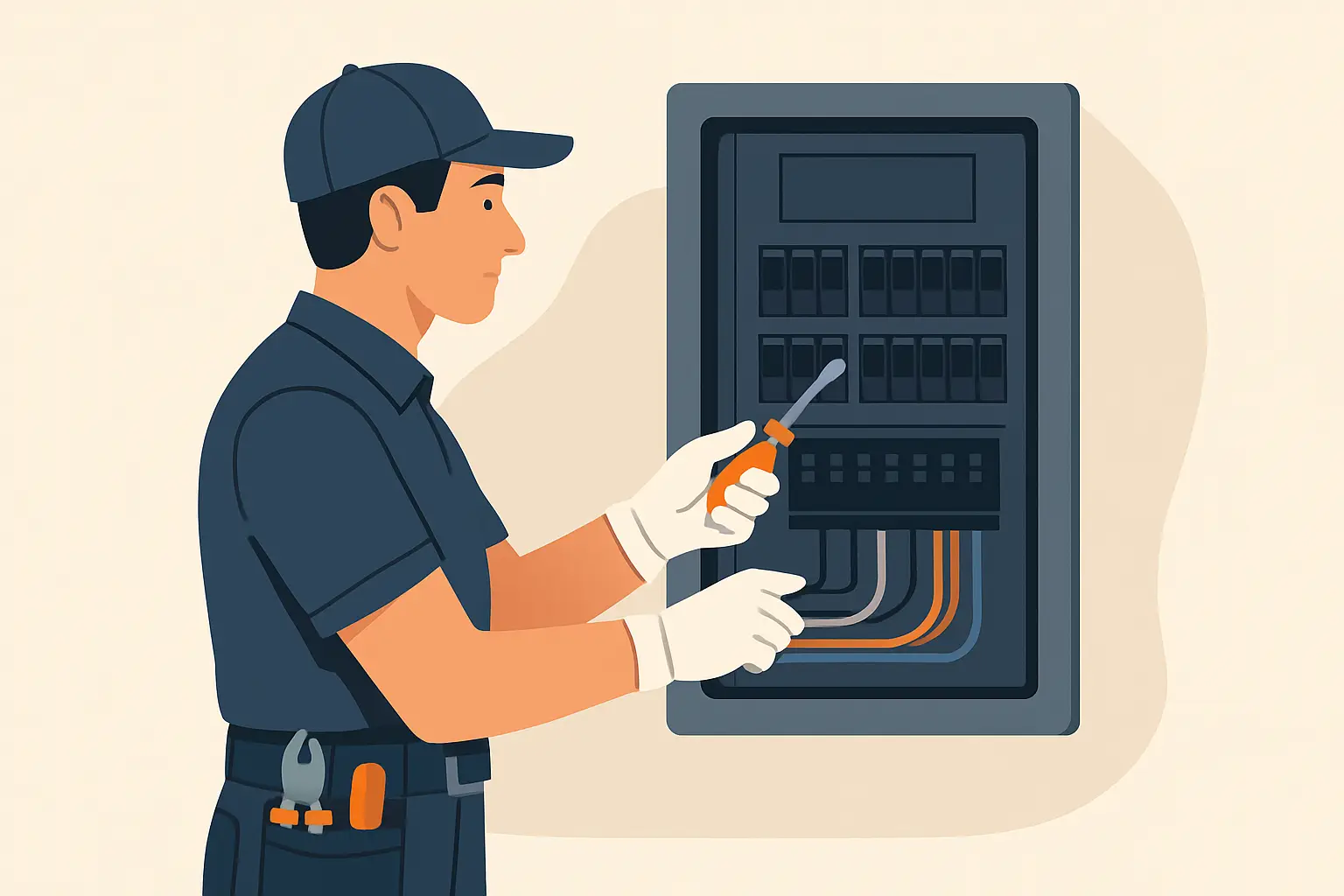
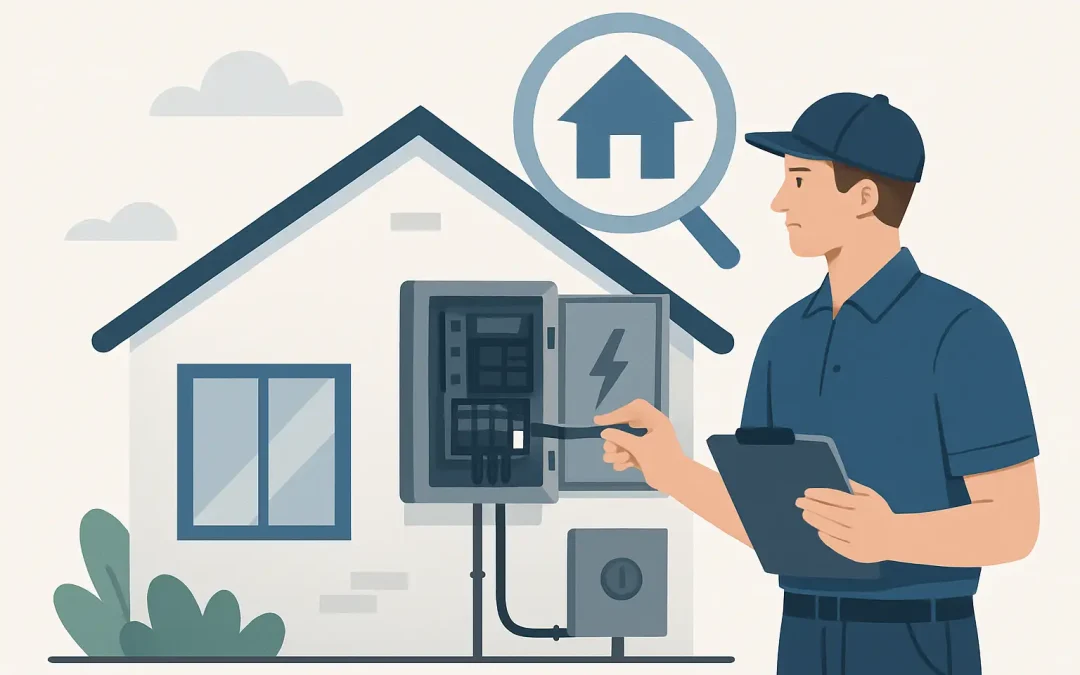
The panel is the command center. A thorough inspection looks at the panel’s condition, labeling accuracy, breaker sizing, signs of overheating, corrosion, moisture intrusion, and workmanship.
If the panel is crowded, has double-tapped breakers, missing knockouts, improper wire types, or evidence of arcing, those are immediate concerns. Even when nothing is “actively failing,” an older or undersized service can limit what you can safely add later – like a hot tub, workshop circuits, or an EV charger.
Grounding and bonding
Proper grounding and bonding help electrical systems clear faults safely and reduce shock risk. Inspectors look for a correctly installed grounding electrode system, proper bonding at the service equipment, and common issues like bootleg grounds at receptacles.
This is one of those areas where a home can seem fine day-to-day but still be one fault away from a dangerous situation.
Receptacles, GFCI, and AFCI protection
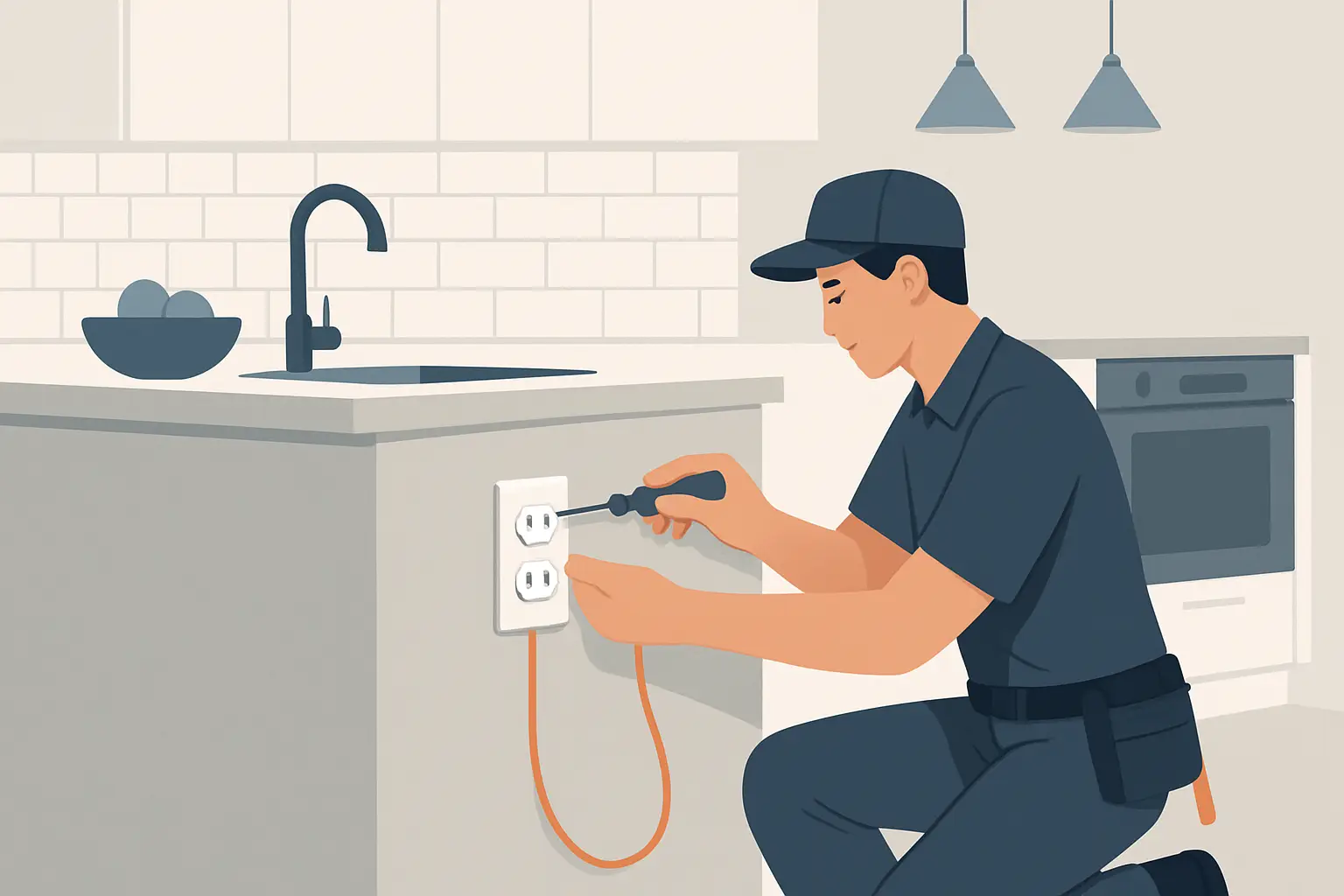
Outlets are where people directly interact with electricity, so protection matters. A buyer-focused inspection checks outlet wiring integrity, polarity, grounding presence, and whether GFCI protection is installed where it’s required (kitchens, bathrooms, garages, exterior, laundry areas, and more depending on the home).
In many homes, you’ll also want to evaluate AFCI protection. Some older homes won’t have AFCI breakers at all – that doesn’t automatically mean the house is “bad,” but it can affect your upgrade plan and negotiations.
Wiring type, condition, and DIY modifications
Older homes in the Inland Empire can have a mix of wiring eras and methods. The inspection may look for deteriorated insulation, improper splices, unsupported runs, open junction boxes, and signs of amateur modifications.
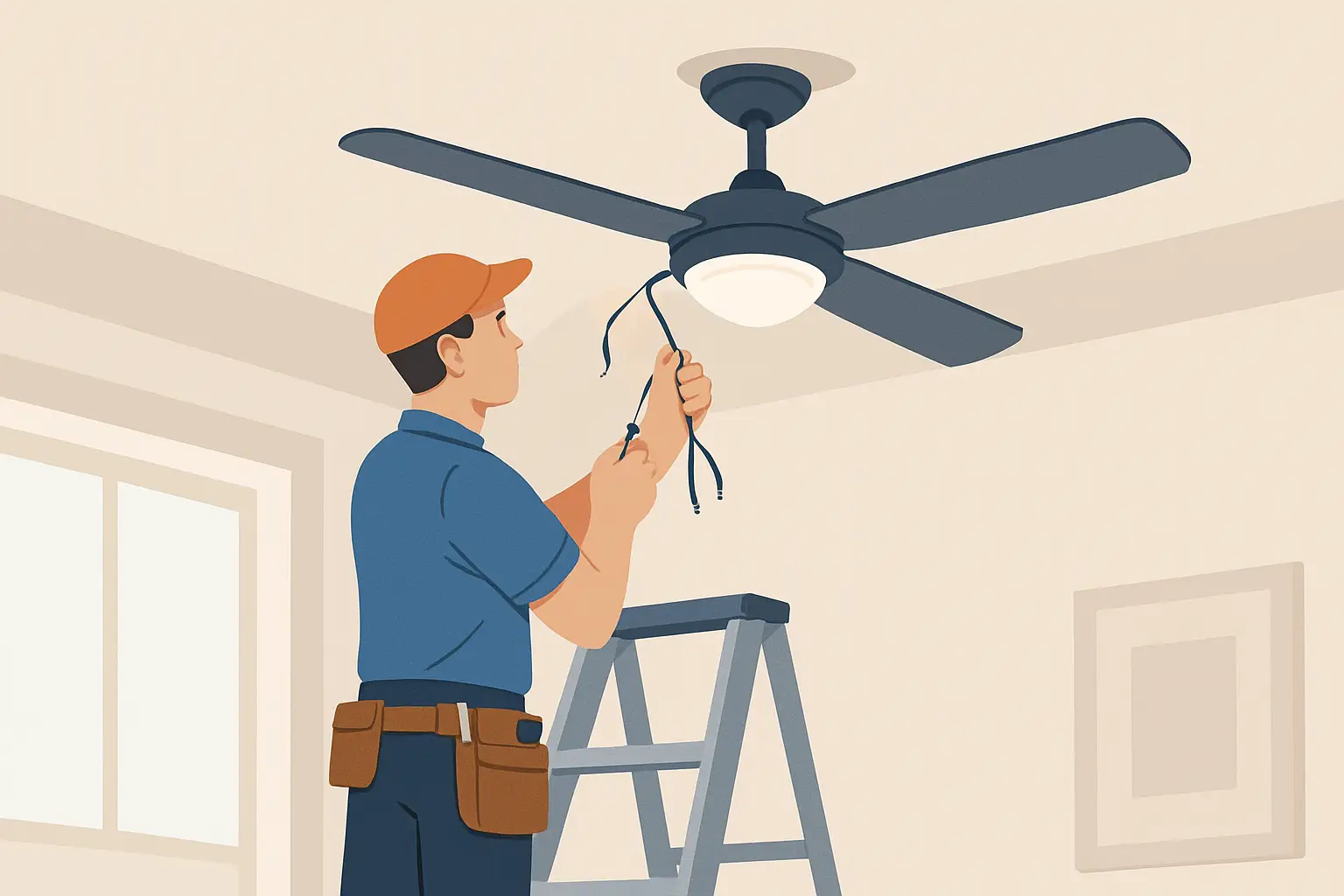
DIY electrical is common in resale homes because it often starts as a “quick improvement” – adding a light, swapping a fan, finishing a garage. The concern isn’t just whether it works. It’s whether it was done safely and whether hidden connections will hold up under real-life use.
Load capacity for modern living
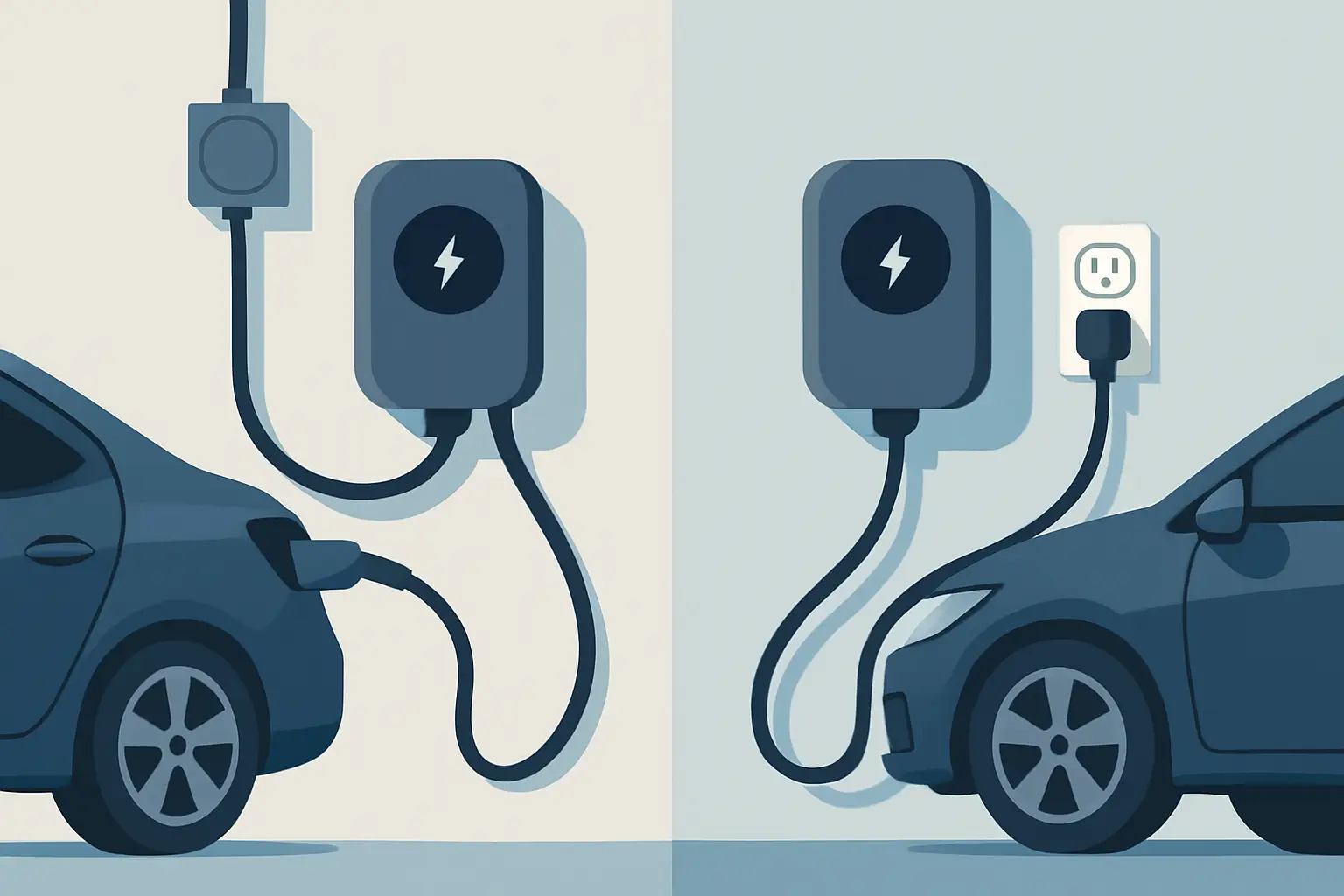
Today’s homes run heavier loads: larger HVAC systems, electric dryers, induction ranges, home offices, added refrigeration, and EV charging. Even if the house passes a basic “function test,” you still want to know whether the service size and circuit distribution match how you’ll live.
A practical discussion during an inspection is: do you plan to add an EV charger, a second fridge in the garage, a home gym, or a workshop? Those aren’t afterthoughts – they change what “acceptable” looks like.
Red flags that should change your buying plan
Some issues are negotiable upgrades. Others should make you pause and get a clear repair plan before moving forward.
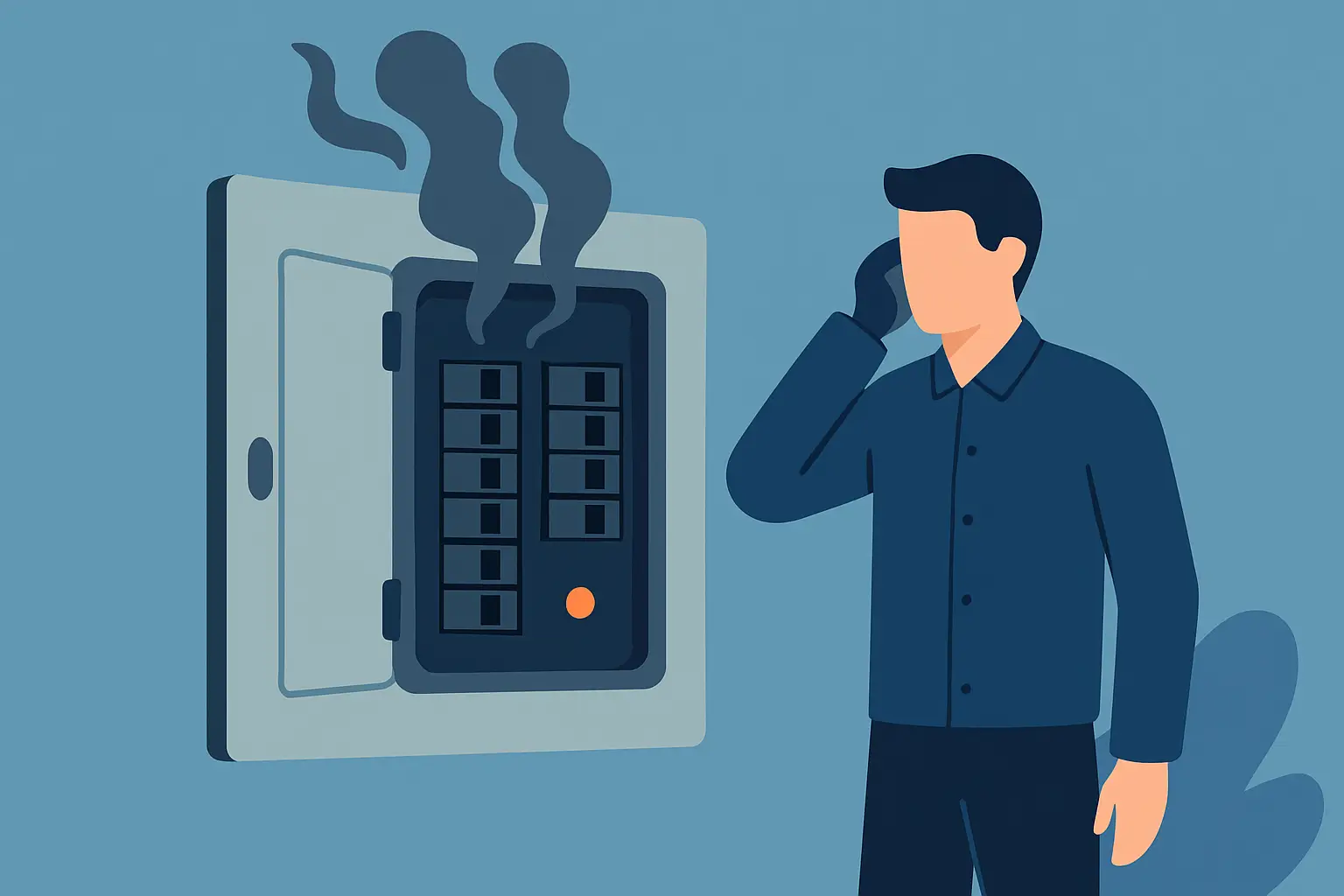
If you see frequent breaker trips, warm outlets or switch plates, buzzing at the panel, scorched marks, aluminum branch wiring without proper remediation, or extension cords used as permanent wiring, treat it as a serious signal.
Also pay attention to “messy but working” panels with poor labeling, multiple circuits under one breaker, or signs of water staining. These conditions often point to a history of quick fixes rather than a system that’s been maintained.
What happens after issues are found
Findings don’t automatically kill a deal. They give you leverage and clarity.
Sometimes the right move is to ask the seller to correct safety hazards before closing, especially if they involve shock risk, fire risk, or code-required protections like GFCI in key areas. Other times it’s better to negotiate a credit so you can choose the contractor and ensure the work is done cleanly and to code.
It also depends on timing. If you’re in escrow with tight deadlines, you may prioritize fixes that are critical for occupancy and insurance, while planning non-urgent upgrades after you move in.
The best outcomes come from translating the inspection into a phased plan. For example, you might address panel defects and grounding first, then add circuits for a home office, then tackle lighting upgrades and EV charging when you’re settled.
Cost expectations and what affects pricing
Pricing varies because “electrical inspection” can mean anything from a quick visual review to a detailed evaluation with documentation and targeted testing. A small condo with a modern panel is a different job than a 1970s single-family home with an added room, a converted garage, and a patchwork of upgrades.
Two things drive cost most: how accessible the components are (panel, attic, crawlspace, subpanels) and how many symptoms require deeper troubleshooting. If lights are flickering or breakers are tripping, the inspection often includes diagnostic work to identify the root cause.
The main point: an inspection fee is usually small compared to the cost of discovering – after closing – that you need a service upgrade, major rewiring corrections, or repairs to unsafe DIY work.
How to choose the right electrician for a pre-purchase inspection
You’re not just hiring someone to “check boxes.” You’re hiring someone to protect your investment and your safety.
Look for a licensed electrical contractor who communicates clearly, explains trade-offs, and is willing to tell you what’s urgent versus what’s optional. The inspection should result in plain-language findings, not just a list of technical terms. You want to understand what the issue is, why it matters, and what a practical fix looks like.
If you’re buying in Rancho Cucamonga or across the Inland Empire and want a straightforward, safety-first assessment with clean workmanship and clear next steps, you can schedule an inspection with Potter Electric Company Inc..
Timing: when to schedule it during the purchase
The sweet spot is after your offer is accepted and while you’re in your inspection contingency window. That way, you can use the findings in negotiations without delaying closing.
If the home is older, has visible electrical quirks, or you plan to add big loads (like an EV charger), don’t wait until the last day of contingency. Give yourself enough room to get quotes and compare options.
How an electrical inspection supports negotiations without drama
The goal isn’t to overwhelm a seller with a long list. It’s to identify legitimate safety issues and material defects.
The most effective repair requests are specific and grounded in safety. For example, asking for correction of improper breaker sizing, replacement of damaged components, installation of missing GFCI protection in required locations, or remediation of overheating connections is very different from asking for “all new outlets because we prefer white.” One is risk reduction. The other is preference.
If you’re asking for a credit, a clear scope and realistic estimate keeps the negotiation focused. Sellers are more likely to respond when the request is tied to documented hazards and a defined fix.
A note for buyers planning upgrades right away
Many new homeowners want to tackle improvements quickly: recessed lighting, a new range, a laundry relocation, a garage conversion, or an EV charging station.
An inspection can help you sequence those projects safely. Sometimes the best first step is a panel upgrade or adding a subpanel, not because it’s glamorous, but because it prevents nuisance trips, supports permits, and sets the home up for clean expansion. Other times, you may be fine adding a dedicated circuit or upgrading specific receptacles without touching the service.
It depends on your home’s existing capacity and the quality of what’s already in place.
If you’re buying a home, think of the electrical system the way you think of the foundation: you don’t need it to be brand-new, but you do need it to be sound, safe, and honest about what it will take to maintain. The smartest next step is the one that trades uncertainty for a clear plan you can live with on move-in day – and for years after.